Your All-in-One LED Partner. The only limit is your imagination.

Customize Amazing LED Display Effect

Why LED screen?

Key Benefits and Applications

How to choose a LED screen for your business?

Discover the perfect LED display solution for your project by 5 simple steps.

Projects

This is a LED display projects gallery to find out what we capable of

Feature One

Lorem ipsum dolor sit amet, consectetur adip iscing elit, sed do eiusmod tempor incididunt.

Feature Two

Lorem ipsum dolor sit amet, consectetur adip iscing elit, sed do eiusmod tempor incididunt.

Feature Three

Lorem ipsum dolor sit amet, consectetur adip iscing elit, sed do eiusmod tempor incididunt.

Feature Three

Lorem ipsum dolor sit amet, consectetur adip iscing elit, sed do eiusmod tempor incididunt.

Our Partners

Trusted Industry Leaders Driving Innovation Together

For best solution and quicker respond, please advise following basic information about your requirements/projects as below. •The LED screen will be used for indoor or outdoor ? And size in width and height by meters? •It is for permanent fix installation or temporary/touring events? •What's audience optimal view distance in meters will it need to be?

Why need LED screen?

Table of Contents

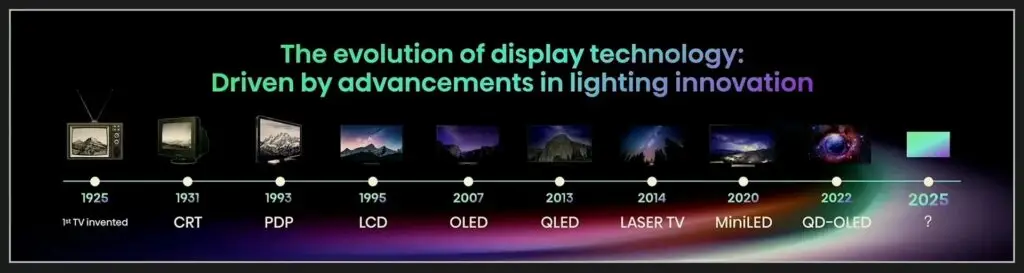
Overview of Different Display Technologies

Humans are visual creatures, processing over 70% of information through sight. This is why screens are now everywhere—in our pockets, on our desks, and lighting up our cities. Whether it’s a mobile phone, a mall advertisement, or a digital road sign, displays have become our primary window for communication and human-machine interaction.

Screens vary widely in size, appearance, and specifications. But what are the different types, and how do they compare? From old-school CRT monitors to modern LED screen and RPTV (Rear-Projection TV) systems, each technology has its own pros and cons. Here is everything you need to know about these display categories and their differences.

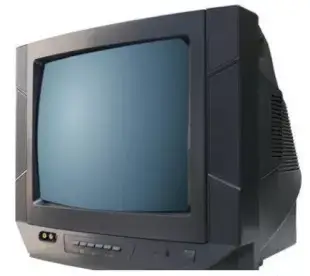
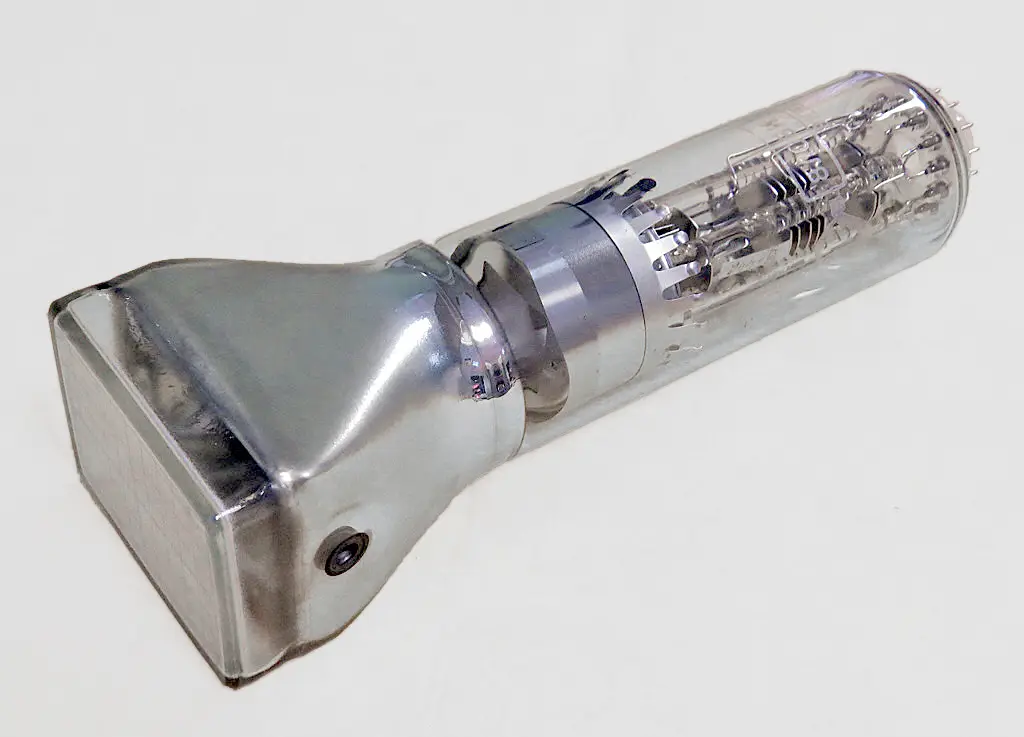
A CRT (Cathode Ray Tube) display is a classic type of monitor used in early TVs and computers. They were the pioneers of the digital age, though they weren’t exactly portable. Because of the tube technology inside, these screens were famous for being incredibly heavy and very thick.When it comes to size and weight, the difference is night and day. 

A one-square-meter LED display typically weighs between 15–40 kg and is a slim 2–20 cm thick. Contrast that with an old-school 32-inch(0.7 square meters) CRT monitor : it weighs a massive 36–45 kg. In another word, if it is one-square-meter , that’s like dragging around 50–70 kg! Plus, CRTs are incredibly thick—usually 30–50 cm—because they rely on bulky vacuum tubes and electron guns that simply can’t be shrunk down. In fact, the technology was so limited that the largest CRT ever made was only 43 inches.

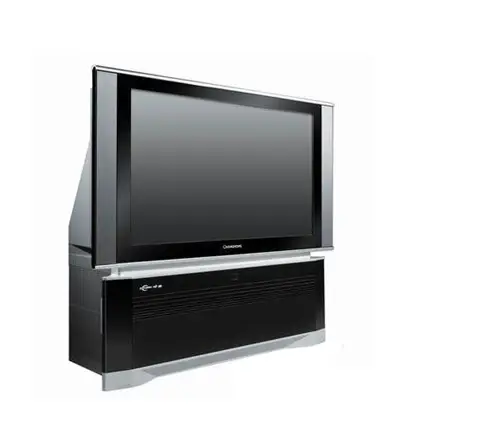
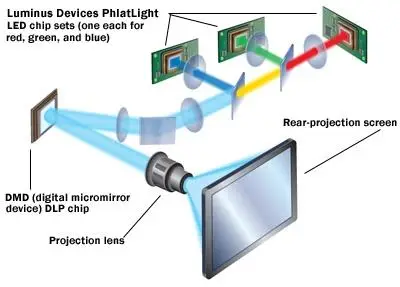
A Rear Projection Display System is an all-in-one unit that uses the principles of light projection and reflection. Unlike a standard projector that beams light onto a wall, an RPTV projects the image from behind the screen.

RPTVs made large screens possible, but they still remained deep and heavy compared to modern standards.Also the light source has a limited lifespan leading to reduced brightness and the need for frequent replacements.


The bulkiness and maintenance limitations eventually led to the rise of Flat Panel Display Technology, which finally made ultra-thin, lightweight screens a reality.

PDP

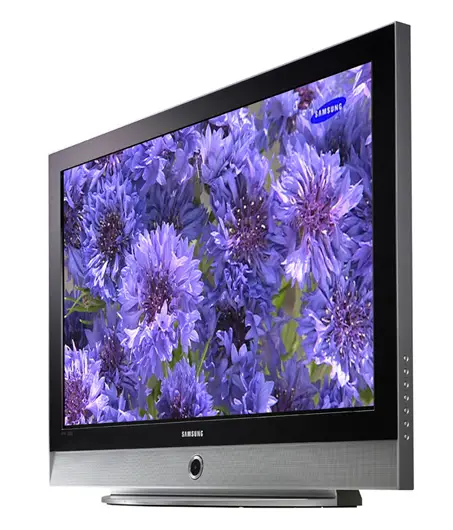
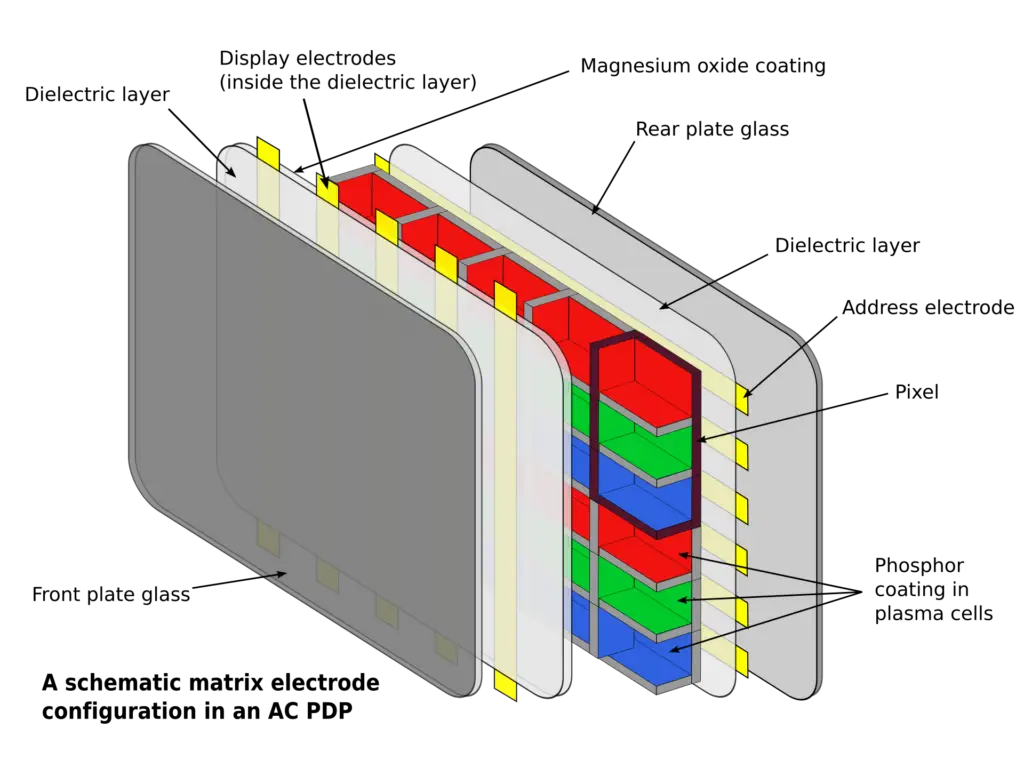
Plasma Display Screen consist of millions of pixel units filled with neon and xenon gas. Applying voltage ionizes the gas, creating UV light that excites phosphors to produce visible color. As a self-emissive tech, it offers superior contrast without a backlight.

Plasma Display Screen consist of millions of pixel units filled with neon and xenon gas. Applying voltage ionizes the gas, creating UV light that excites phosphors to produce visible color. As a self-emissive tech, it offers superior contrast without a backlight.

This technology enabled the leap from bulky CRTs to thin flat-panel displays. It was the first tech to successfully mass-produce high-quality large screens (42″ to 65″+).

 But since the leading manufacturers of plasma display (Panasonic, LG, Samsung) were reluctant to share patents, stifling the supply chain.Plus the technical flaws of plasma technology originally like high heat, heavy power consumption, ,“burn-in” (ghost images left on the screen) and increasing pixel density for 4K and 8K was much harder and more expensive for Plasma than for LCD.

Plasma ultimately lost to LCD gradually.

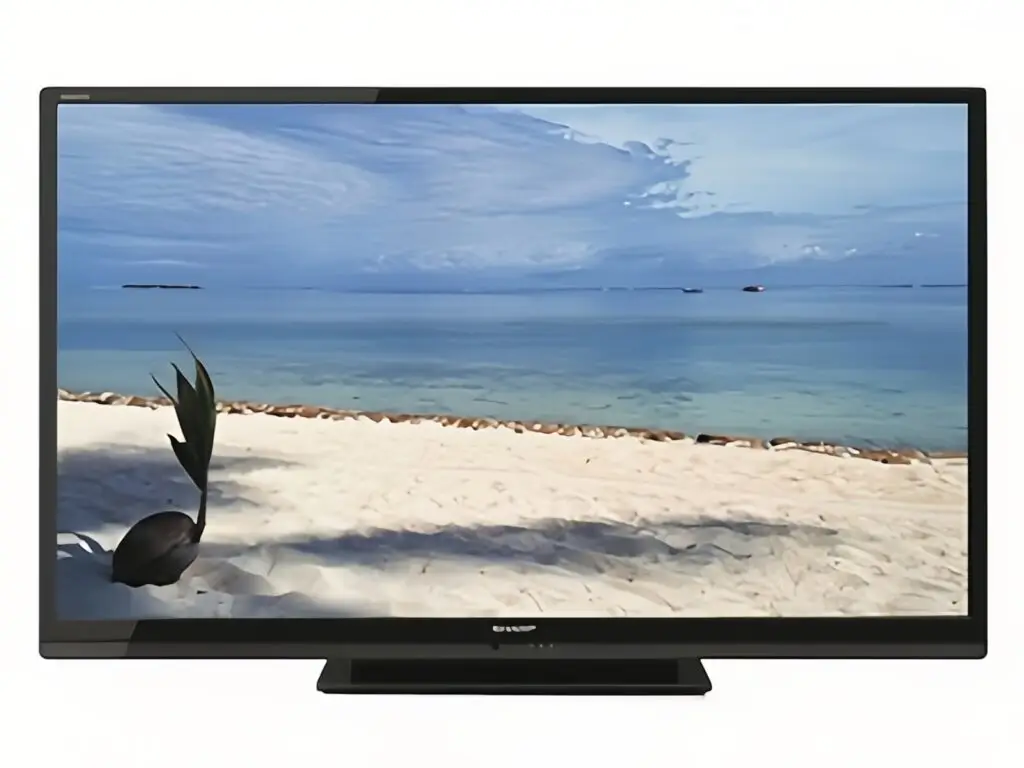
LCD

Lorem ipsum dolor sit amet, consectetur adipiscing elit. Ut elit tellus, luctus nec ullamcorper mattis, pulvinar dapibus leo.

Advantages: The Top Reasons You Need an LED Display
  • High Brightness: Perfect clarity in any environment.The outdoor LED displays can reach brightness of 5,000 to 10,000 nits, it can still stay crystal clear even under 15,000 lux of direct sunlightA simple rule of thumb for great visibility is that your screen brightness (measured in nits or cd/㎡) should be at least double the surrounding ambient light (measured in lux). For example, in a typical living room with about 200–250 lux of light, you’ll want a screen that hits at least 500 nits. This is where indoor LED displays really shine—most offer 600 to 1,000 nits, making them far superior to projectors and standard monitors.

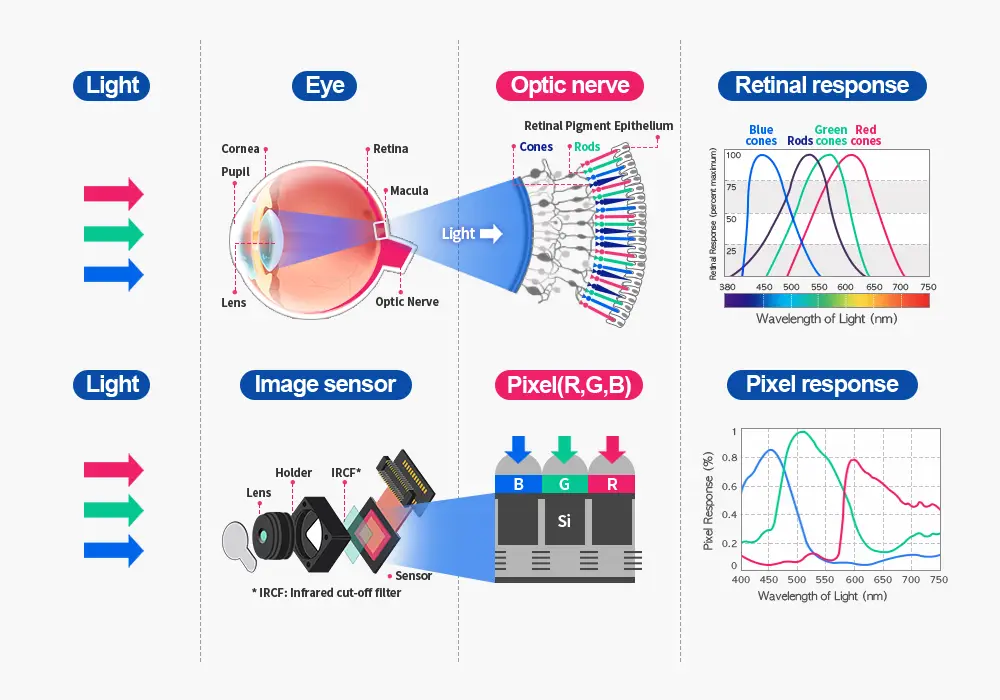
  • Stunning Color & Contrast: Knowing how the images/light reaches your eyes. LCDs use a backlight that shines through a panel, while projectors rely on light reflecting off a wall or screen. LED displays, however, are self-emissive—they create their own images directly. This results in much richer colors and deeper contrast. Projectors and LCDs usually range from 6-bit to 12-bit color, LED screens use 16-bit grayscale processing. This means they can show over 280 trillion colors, creating incredibly smooth gradients, brighter highlights, and shadows that don’t lose their detail.

  • Lower Energy Bills: By using light sensors, the screen automatically adjusts its brightness to match the weather—whether it’s sunny, cloudy, or rainy. It even transitions seamlessly between day and night. This doesn’t just give you a better view; it also helps you cut down on energy bills and reduce your environmental footprint.

  • Built to Last: A longer lifespan means fewer replacements and less maintenance.

  • Fits Any Space: The modular design lets you customize the size and shape to fit your needs.

  • Works Anywhere: Perfect for both indoor and outdoor settings, no matter the environment.

  • Price advantage:Price advantage
Buying Guide: How to Choose the Right LED Display for Your Needs
Advantages: The Top Reasons You Need an LED Display
Application Scenarios: Where Are LED Displays Especially Critical?
Frequently Asked Questions (FAQ)

XXXXXX